

Our Programs
If you want something different, you have to do something different. We have all been told we need to change, if it were that simple, we would have done it by now. Let Neartown’s staff of licensed clinicians and peer support specialists show you what if means to “do something different.”
Our Story
“Why do you do what you do?” At Neartown, we get asked that question often. For us, the answer is always, “Because someone did it for us!” Neartown’s story is one of those stories that you read about in a book. It is one of those stories that if you did not know that it was true you might question it. Like most good stories, the main characters are the underdogs.
Contact Us
Are you ready to take your first step toward an addiction-free life? Are you a friend or family member seeking help for a loved one? The crucial first step toward overcoming drug and alcohol addiction and achieving long-term sobriety is only a click away.
Licensed & Accredited Addiction Treatment




NEARTOWN Kentucky Rehab ADMISSIONS
At Neartown Kentucky we want the admissions process to be easy. Our Rehab Admissions Team can take your information over the phone and help your find you place Monday through Friday 8:30-4:30 CST. If you have insurance, have your information ready; if not, we may still be able to help. Just dial 270-489-2594.
We know that addiction does not care what time of day or day of the week it is. If it is after business hours or a weekend, complete our pre-admissions form here, and someone will reach back out soon.
Addiction Recovery Starts here
…
Our Mission
At Neartown Recovery, our mission is to offer a safe, welcoming setting where individuals can learn about the disease of addiction and understand how it impacts their lives. We introduce a clear, simple program of recovery with practical tools and daily practices that anyone can apply. By taking these actions one day at a time, people can build stability, rediscover purpose, and experience genuine fulfillment. Our goal is to make recovery accessible, sustainable, and meaningful—so each person can move forward with confidence, connection, and a life anchored in hope.
Our Vision
Neartown’s vision is to be a full-service community mental health provider. Utilizing the latest modalities of treatment, coupled with a 12-step approach, to provide the people of our region with high quality drug and alcohol treatment options ranging from short-term residential to low intensity outpatient and everything between. We will strive to be an organization that operates with love, compassion and integrity and is a force for change in our community.
Our Values
Integrity
We are an organization that places its integrity above anything else. We will maintain this integrity with our staff, residents, regulatory bodies, and accrediting organizations. We will maintain this integrity at all costs.
Forward Thinking
We will never rest on our laurels. Neartown is forever an organization that is looking to the future for opportunities to be of maximum service to the community around us. We were a drain on our communities for too long.
Family
We will always strive to treat our staff, alumni, and guests like family. Not a family that fights and bickers, but a family that has each other’s back and builds each other up.
Love
Love is our foundation. At Neartown Recoveries, a genuine love for others guides every choice—from how we welcome someone at the door to how we shape care plans and policies. We lead with compassion, dignity, and respect. Each day we ask, “How may we best serve others?”
All Inclusive
We will forever be an organization that is all inclusive. We love each guest with all that we have regardless of race, sexuality, religion, lack of religion, or any of the other things that divide. We will use a person-centered approach to help our guest realize that they are equally important parts of a whole.


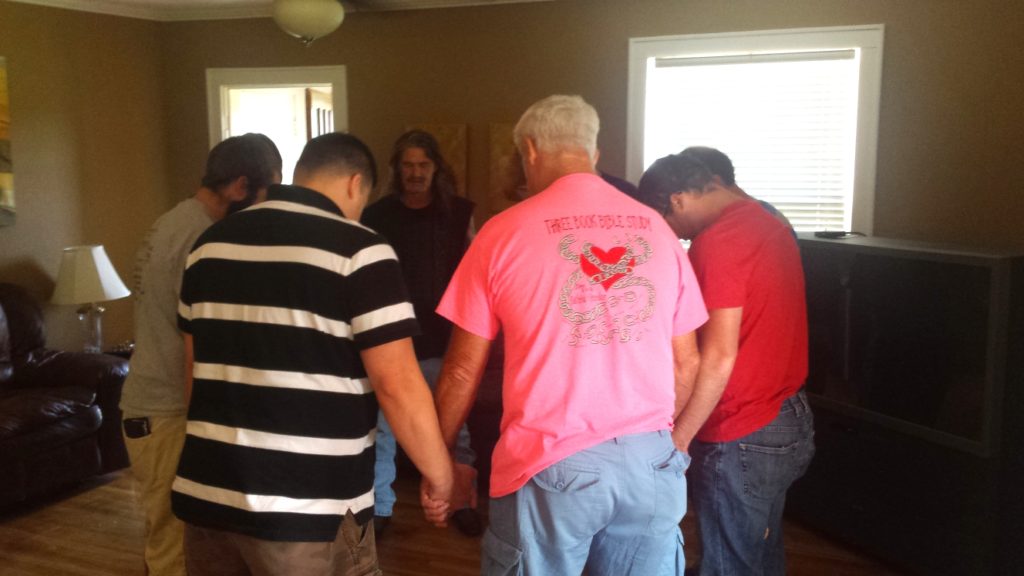
Neartown’s evidence based, person centered, twelve-step program fosters a strong, vibrant community that is essential to addiction recovery. Neartown’s dedicated staff can help guide you on a path you never dreamed possible and help you develop a firm footing for long-lasting recovery!
What is a Kentucky Drug & Alcohol Rehab?
A Kentucky drug & alcohol rehab is an addiction treatment program located in Kentucky that helps individuals recover from substance use disorders involving drugs and/or alcohol. These programs provide structured support through services such as evaluation, counseling, therapy, and recovery planning, with the goal of helping people stop using substances and develop healthier coping skills.
What to Expect in a Kentucky Rehab Center
In a Kentucky rehab center, you can expect a structured and supportive environment focused on helping you begin and maintain recovery from drug or alcohol use. The process typically starts with an intake and assessment, where staff gather information about substance use history, physical and mental health, and personal needs to create an individualized treatment plan.
Treatment usually includes a combination of therapy and education, such as individual counseling, group sessions, and sometimes family involvement. These sessions help people understand addiction, develop coping skills, and address underlying issues that contribute to substance use. If needed, a rehab center may also coordinate detox services or provide medical support, depending on the level of care.
Daily life in a Kentucky rehab center often follows a structured schedule, which may include therapy sessions, recovery-focused activities, wellness practices, and time for reflection. As treatment progresses, staff help individuals plan for the next steps, such as outpatient care, recovery housing, or community support groups. Overall, Kentucky rehab centers aim to provide a safe place to heal, learn, and build a foundation for long-term recovery.
Kentucky drug and alcohol rehab programs may offer multiple levels of care so treatment can be matched to a person’s needs, substance use history, and overall health. Detox is often the first step for individuals who are physically dependent on drugs or alcohol. Detox programs provide short-term, medically supervised care to help manage withdrawal symptoms safely and comfortably before ongoing treatment begins. Not all rehabs offer detox on-site, but many coordinate referrals to licensed detox facilities in Kentucky.
After detox, some individuals may enter residential or inpatient treatment, which involves living at the facility for a set period of time while receiving daily therapy, structure, and support. Residential care is typically recommended for people with more severe addictions, co-occurring mental health conditions, or unstable home environments. These programs focus on therapy, life skills, relapse prevention, and building a strong foundation for recovery.
For those who do not require 24-hour supervision, partial hospitalization (PHP) or intensive outpatient programs (IOP) provide a high level of care while allowing individuals to live at home or in recovery housing. PHP usually involves treatment most days of the week for several hours a day, while IOP offers fewer hours but still includes regular therapy and support. Standard outpatient care is the least intensive level and may involve weekly counseling or group sessions, often used as a step-down from higher levels of care or for individuals with milder substance use disorders. Together, these levels of care allow Kentucky rehab programs to support people at every stage of recovery.
Does Insurance Cover the Cost of Rehab in Kentucky?
Yes, insurance often covers the cost of drug and alcohol rehab in Kentucky, though the amount of coverage depends on the specific insurance plan and the treatment provider. Most private health insurance plans are required to include substance use disorder treatment as part of their benefits, which may cover services such as detox, residential or inpatient care, outpatient therapy, and counseling. Kentucky Medicaid also covers many addiction treatment services, but not all rehab centers accept Medicaid, so coverage must be verified in advance. Out-of-pocket costs can vary based on factors like deductibles, copays, and whether the rehab center is in-network.